The Fox at the Edge of the Wood
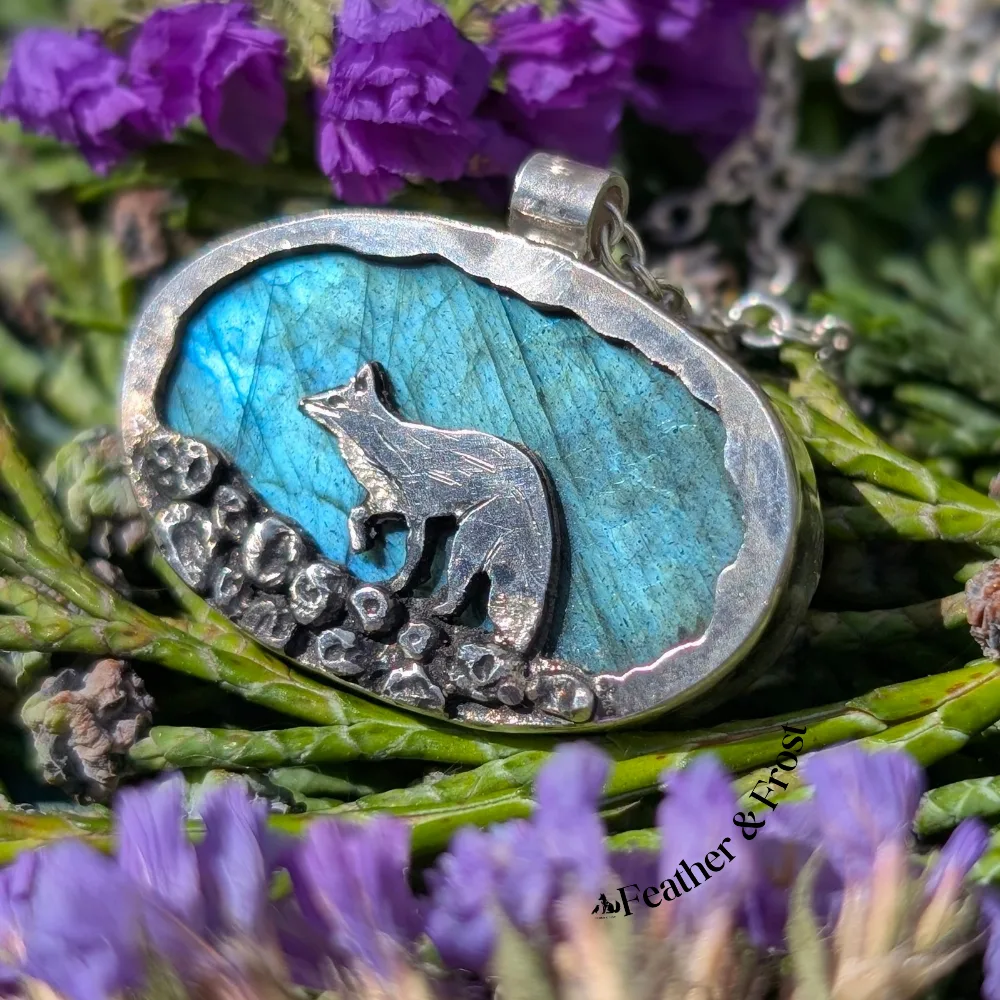
There’s a moment, if you’re lucky, when a fox looks back at you.
Not fleeing, not frozen — just pausing, amber eyes catching the last of the light before it slips back into the trees. It’s a small thing. But it stays with you in a way that’s hard to explain.
People have been trying to explain it for a long time.
Reynard and Tod
The British have been telling stories about foxes since at least the Middle Ages. Our two oldest names for them give a sense of the split personality we’ve always projected onto them. Reynard — the name that spread across medieval Europe through the famous cycle of fables — carries a slightly aristocratic quality, a cunning gentleman of the woodland. Tod, still widely used in the north of England and Scotland, is older and earthier, more like a neighbour you’re not entirely sure you trust.
Chaucer knew Reynard well enough to rework one of his stories for The Canterbury Tales. William Caxton, one of the first printers in England, chose a collection of Reynard stories as one of his early books. For centuries, the fox was a figure you told stories about — not to warn children away from the dark, but to talk about cleverness, and what it costs, and who really wins in the end.
The Things People Noticed
Alongside the literary tradition ran something older and harder to pin down — the accumulated observations of people who lived close to the land and watched foxes carefully.
One persistent folk belief describes a fox ridding itself of fleas by carrying a piece of wool in its mouth and slowly wading backwards into a pond, coaxing the parasites upwards until they transfer onto the wool — which it then releases into the current. Whether or not foxes actually do this (they don’t), the story tells us something about how people read the animal: as a creature that solved problems sideways, that found solutions nobody else had thought of.
A fox’s tail — the brush — hung above a stable door was said to bring good luck and ward off harm. In some traditions, witches were believed to be able to take the form of a fox — a story found in several parts of Britain, where a fox shot or injured during the night would reveal itself by morning as a wounded woman. It’s a story less about foxes than about the suspicion of anyone who moved too freely, too quietly, on their own terms.
What British Countryside Knew
Farmers had a complicated, almost grudging relationship with foxes. They caused real damage — lost chickens, raided coops — and yet the accounts passed down tend to describe the fox’s methods with something close to admiration. How it had worked out the latch. How it had taken the long route to avoid the dog. How it had been there and gone before anyone realised.
That quality — of being present without being caught — sits at the heart of the fox’s place in British imagination. It thrives at the edges of things: woodland and field, town and countryside, dusk and dawn. It belongs to the in-between, and always has.
Why It Still Matters
There’s a reason fox imagery has outlasted so many other symbols. It doesn’t ask you to be powerful or pure. It asks you to be perceptive — to know your landscape, to move through the world with a little more attention than the situation strictly requires.
For some people that’s just an animal they’re drawn to. For others it means something more specific, something about how they see themselves, or how they’d like to.
Both are fine reasons to wear one.
On Making These Pieces
Every fox piece I make is handcrafted in the UK from recycled sterling silver, worked slowly and finished by hand. Many are one of a kind — once they’re gone, they’re gone. Others are made to order, which means there’s time to get it right.
I think about the animal when I’m making them. The patience in it. The particularity. It feels like the right thing to be thinking about.
Browse the fox jewellery collection — handcrafted in recycled sterling silver, made in the UK.